How to Fix Cracks, Peeling Paint and Damp Stains Before Painting
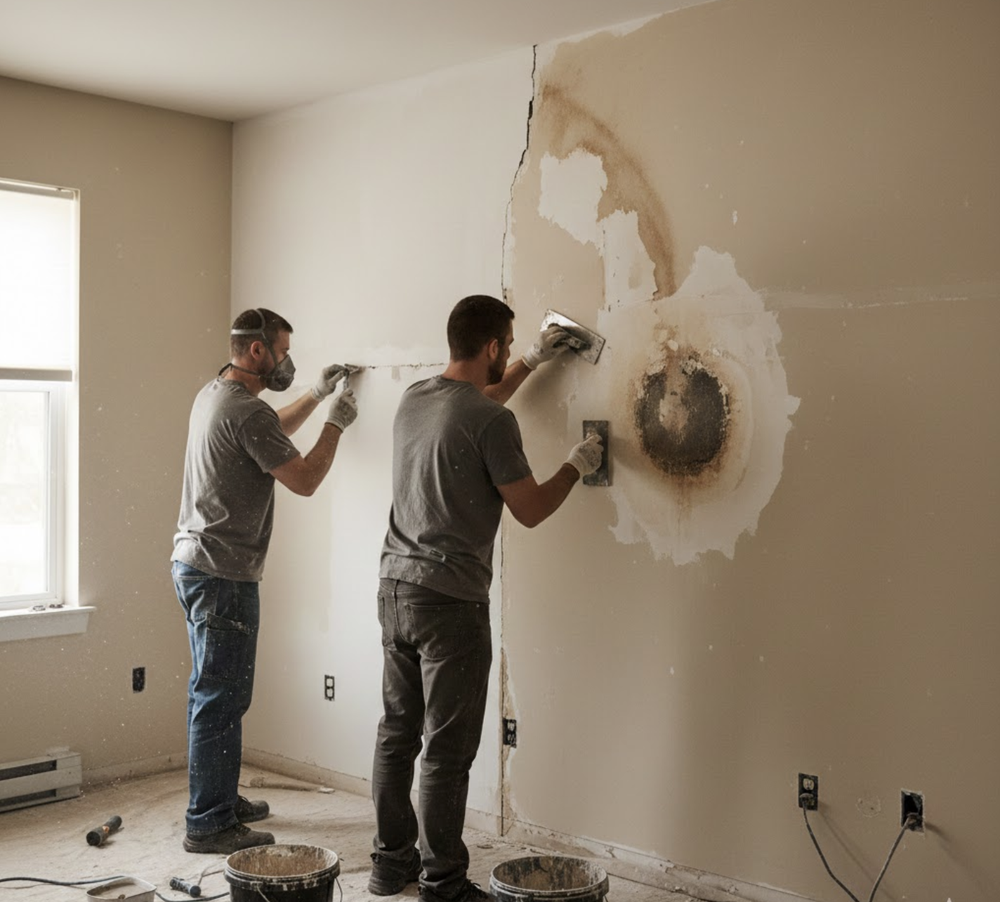
Before painting any wall or ceiling, proper preparation is essential. Cracks, peeling paint and damp stains are three of the most common problems homeowners face, and if they aren’t repaired correctly, they can ruin the final finish and cause the same issues to return.
At JUSTHIRE, we make it easy to book professional painting services online. Enter your postcode, upload photos and get a free fixed-price quote instantly with no site visit needed.
Here’s how to address the most common wall and ceiling issues before painting, so you can achieve a smooth, long lasting finish.
Why Fixing These Problems Matters
Painting over defects may look fine for a few weeks, but the underlying issues will eventually show through. Proper preparation ensures:
A clean, smooth paint finish
Longer lasting results
No flaking or bubbling
Better adhesion for new paint
Protection against future damage
How to Fix Cracks in Walls and Ceilings
Cracks can be caused by movement, settling, temperature changes or poor previous repair work.
1. Open up the crack slightly
Use a scraper to widen the crack. This helps the filler bond more effectively.
2. Brush out dust and loose material
Ensure the area is clean and dry.
3. Apply filler or joint compound
Choose a flexible filler designed for interior walls. Smooth it with a filling knife.
4. Sand once dry
Use fine sandpaper to achieve a flush, smooth finish.
5. Prime the repaired area
Prevents flashing and ensures consistent paint absorption.
How to Fix Peeling or Flaking Paint
Peeling paint usually happens due to moisture, poor surface prep or low quality previous paint.
1. Scrape away all loose paint
Use a paint scraper until only solid, well bonded paint remains.
2. Sand the edges
Feather the edges so the surface transitions smoothly.
3. Clean the surface
Remove dust, dirt or grease using sugar soap or a mild detergent.
4. Apply a primer
This helps seal the surface and improves adhesion for the topcoat.
5. Fill uneven areas if needed
Sand again before painting for a flat, consistent finish.
How to Treat Damp Stains Before Painting
Damp is the most important issue to fix correctly. Painting over damp will cause immediate bleeding, discolouration and ongoing mould problems.
1. Identify the source of the damp
This could be a leak, condensation, exterior wall moisture, plumbing issue or poor ventilation. Solve the root cause first.
2. Allow the area to dry completely
Use ventilation, heating or a dehumidifier if needed.
3. Clean any mould or mildew
Use a mould treatment designed for walls and ceilings.
4. Apply stain block or damp seal primer
This prevents the stain from bleeding through fresh paint.
5. Once dry, paint as normal
Use high quality paint for longer lasting protection.
When You Should Call a Professional
Some repairs are simple to DIY, but you should consider hiring a professional if:
The cracks keep returning
The peeling is widespread
The damp source is unknown
The ceiling is high or hard to access
You want a flawless, premium finish
A professional decorator can diagnose issues quickly and ensure the surface is prepared to a high standard.
Why Choose JUSTHIRE for Painting and Repairs
At JUSTHIRE, we connect you with trusted local decorators who can repair and paint walls and ceilings to a professional standard.
You get:
Trained and insured decorators
Fixed price quotes online
Fast, reliable service
High quality preparation and finish
No site visit needed
Book Your Wall and Ceiling Painting Online Today
Whether your walls need simple crack repairs or full surface preparation, JUSTHIRE makes it easy to get a trusted professional to handle the job.
 Enter your postcode and get your free online painting quote today.
Author: Sam L
4 September 2024
Still have questions?
You can send us message, call or chat live with an expert for personalised advice.