What Happens If You Don't Clean Before Moving Out?
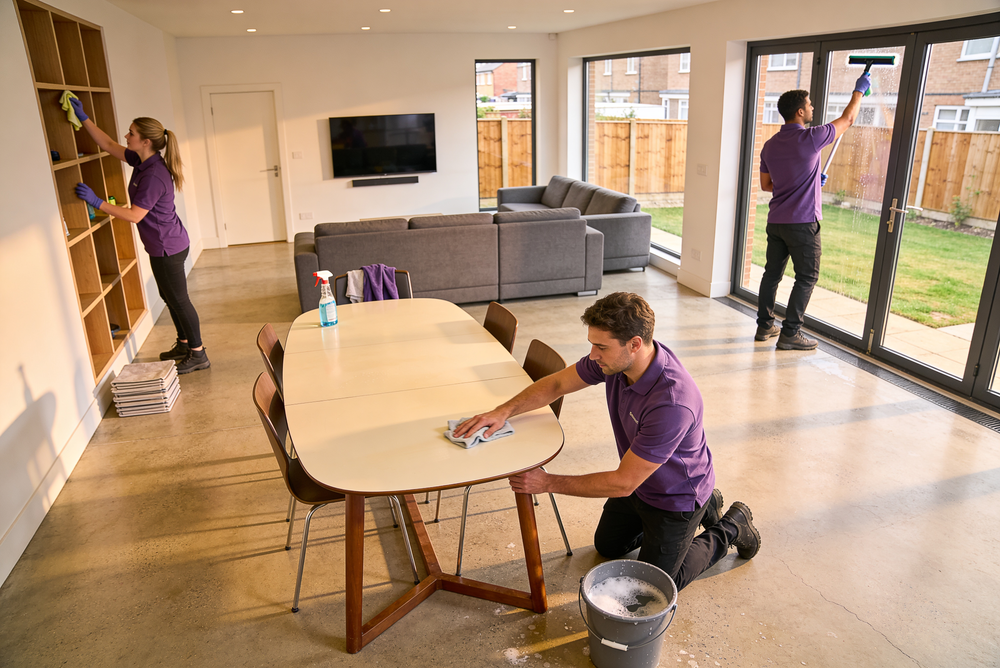
Thinking about skipping the end of tenancy clean? It might seem like one less thing to worry about during a stressful move, but leaving a dirty property can cost you far more than a professional clean ever would. Here is what actually happens and how to avoid it.
Your Landlord Can Deduct Cleaning Costs From Your Deposit
If the property is not returned to the same standard of cleanliness recorded in your check-in inventory, your landlord can propose deductions from your deposit to cover the cost of putting it right.
Cleaning is the most common reason for deposit deductions in the UK. In most cases, the landlord will hire a professional cleaning company, pay for the service, and take that amount from your deposit before returning the rest.
The cost of a landlord-arranged clean is often higher than what you would pay if you booked one yourself. You do not get to choose the company, negotiate the price, or decide what is included. The bill simply comes out of your deposit.
What Counts as "Not Clean Enough"?
The standard you need to meet is the condition recorded in your inventory at the start of the tenancy. If the inventory says the oven was "clean" when you moved in, it needs to be clean when you move out.
Common areas where tenants lose money include:
Ovens and hobs: Grease and burnt-on residue inside the oven, on racks and around the hob are the single most common cleaning deduction.
Bathrooms: Limescale on taps, shower screens and tiles. Mould in grouting or sealant.
Carpets: Stains, pet hair or odours that were not present at check-in.
Kitchen appliances: Dirty fridge shelves, greasy extractor fans, or residue inside the washing machine.
Behind and underneath furniture: Dust and dirt in areas that were clean when the tenancy started.
Skirting boards and light switches: Often overlooked, but inventory clerks check them closely.
If any of these areas are flagged during the checkout inspection, your landlord has grounds to deduct.
How Much Could It Cost You?
The amount deducted depends on how much cleaning is needed, the size of the property and the cleaning company the landlord uses.
As a rough guide, a professional end of tenancy clean typically costs between £150 and £450 depending on the property. If the landlord arranges it after you leave, the cost is often at the higher end because there may be additional charges for short notice bookings or heavily soiled properties.
On top of the cleaning itself, some landlords also charge for:
Carpet cleaning: Usually an additional £50 to £150 depending on the number of rooms.
Oven cleaning: An additional £40 to £80 if it needs specialist attention.
Rubbish removal: If you leave items behind, removal costs can be deducted too.
In the worst cases, tenants lose several hundred pounds from their deposit simply because they did not clean before leaving.
What Is Fair Wear and Tear?
Not everything that looks worn or marked counts as something you need to fix. Fair wear and tear refers to the natural deterioration that happens through normal everyday use over time.
Examples of fair wear and tear include:
Faded paint or wallpaper from sunlight
Small scuff marks on walls from general living
Slight flattening of carpet in high traffic areas
Minor wear on door handles or light switches
Examples of things that are not fair wear and tear:
Grease-covered oven interiors
Limescale buildup on bathroom fixtures
Stained or burnt carpets
Mould caused by poor ventilation habits
Rubbish or personal belongings left behind
The key difference is that wear and tear happens naturally, while dirt and cleaning issues are avoidable. Your landlord cannot charge you for a carpet that has flattened over three years of normal use, but they can charge you for a carpet that is stained or has not been vacuumed.
Can Your Landlord Force You to Pay for Professional Cleaning?
Your landlord cannot require you to use a professional cleaning service. What they can require is that the property is returned to the same level of cleanliness as when you moved in.
If you can achieve that standard yourself, you are free to do so. However, if you clean the property yourself and the checkout inspection finds it does not meet the inventory standard, your landlord can still arrange a professional clean and deduct the cost.
This is why many tenants choose to book a professional clean: it gives you a receipt as proof, meets the expected standard, and removes the risk of a failed inspection leading to higher costs later.
What Happens If You Disagree With the Deductions?
If your landlord proposes deductions you think are unfair, you do not have to accept them. Your deposit is held in a government-approved protection scheme, and every scheme offers a free dispute resolution service.
To challenge a deduction, you will need evidence. This is where having photos of the property after your clean, a copy of your check-in inventory, and any receipts from professional cleaning makes a real difference.
Without evidence, it becomes your word against your landlord's, and that is a much harder position to be in.
How to Avoid Deposit Deductions for Cleaning
The simplest way to protect your deposit is to make sure the property is properly cleaned before the checkout inspection. Here is how to do that:
Check your inventory. Go through the check-in report room by room and note the standard recorded for each area.
Clean after all belongings are removed. An empty property is much easier to clean thoroughly.
Focus on the high-risk areas. Ovens, bathrooms, carpets and kitchen appliances are where most deductions happen.
Take photos after cleaning. Timestamped photos of every room give you evidence if anything is disputed.
Keep your receipt. If you book a professional clean, hold on to the invoice. It shows the landlord you took the cleaning seriously.
Use a checklist. Follow a detailed room-by-room cleaning checklist so nothing gets missed.
A clean property at checkout is the fastest and most reliable way to get your full deposit back.
Author: Leo Vincent
3 January 2026
Still have questions?
You can send us message, call or chat live with an expert for personalised advice.