How Often Should You Clean Your Home?
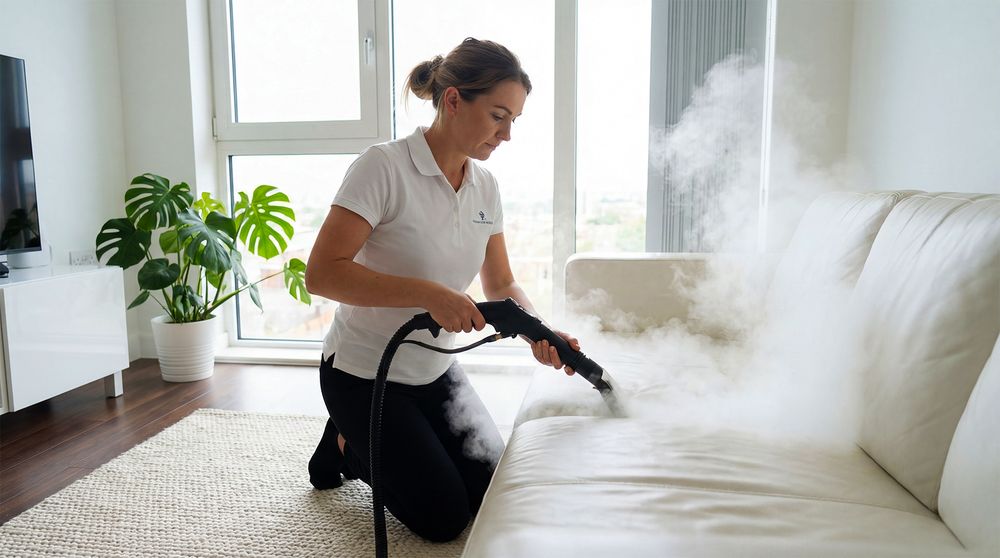
It is easy to fall behind on cleaning when life gets busy. But knowing how often each task actually needs doing takes the guesswork out of it and helps you keep your home in good shape without spending every weekend scrubbing. This guide breaks it down by frequency so you can see what needs attention and when.
Tasks to Do Daily
These are quick jobs that take a few minutes each and stop mess from building up.
Wash up or load the dishwasher. Leaving dishes overnight leads to smells and bacteria, especially in warmer weather.
Wipe down kitchen worktops. A quick wipe after cooking removes crumbs, spills and grease before they set.
Clean the hob after cooking. Grease and food splatters are much easier to remove while they are still fresh.
Hang up towels to dry. Damp towels left in a pile develop a musty smell quickly.
Put things back where they belong. A few minutes of tidying each evening prevents clutter from taking over.
You do not need to deep clean anything daily. The goal is to keep surfaces clear and prevent small messes from becoming bigger jobs later.
Tasks to Do Weekly
These are the core cleaning tasks that keep your home looking and feeling clean.
Vacuum all floors. Carpets, rugs and hard floors all benefit from a weekly vacuum, especially in high traffic areas like hallways and living rooms.
Mop hard floors. Vacuuming picks up dust and debris, but mopping removes sticky residue and bacteria.
Clean the bathroom. Wipe the toilet, sink, mirror and shower or bath. A weekly clean prevents limescale and soap scum from building up.
Change bed sheets. Sweat, dead skin and dust mites accumulate quickly. Fresh sheets once a week keep your bed hygienic.
Dust surfaces. Shelves, sideboards, TV stands and window sills all collect dust within a few days.
Empty all bins. Kitchen, bathroom and bedroom bins should be emptied weekly at a minimum.
Wipe kitchen appliances. The outside of the microwave, kettle, toaster and fridge door pick up fingerprints and splashes throughout the week.
If you have pets, you may need to vacuum more often. Pet hair builds up fast, particularly on carpets and soft furnishings.
Tasks to Do Monthly
These jobs do not need doing every week, but leaving them longer than a month means they start to become harder to manage.
Clean inside the microwave. Steam a bowl of water with lemon inside for a few minutes, then wipe down. This loosens any dried-on food.
Wipe down cupboard fronts. Kitchen and bathroom cabinet doors collect grease, fingerprints and dust over time.
Clean mirrors and glass. Bathroom mirrors, glass tables and any glass surfaces benefit from a proper clean once a month.
Wash cushion covers and throws. Soft furnishings absorb dust, pet hair and odours. A monthly wash keeps them fresh.
Wipe light switches and door handles. These are high-touch areas that rarely get cleaned but collect bacteria quickly.
Clean the inside of the fridge. Remove everything, wipe down shelves and drawers, check for expired items and put everything back.
Vacuum upholstered furniture. Sofas, armchairs and dining chairs collect crumbs, dust and pet hair between and under the cushions.
Tasks to Do Every Three to Six Months
These are the bigger jobs that most people put off but make a noticeable difference when they get done.
Clean the oven. Grease and burnt-on food build up over time and can affect how the oven performs. Every three to six months is a good target depending on how often you cook.
Descale taps and shower heads. Limescale builds up gradually and becomes harder to remove the longer you leave it.
Wash windows inside. Window glass, frames, sills and tracks all collect dirt. Doing this twice a year keeps them looking clear.
Clean behind and underneath large appliances. Pull out the fridge, oven and washing machine to clean the floor and walls behind them.
Flip or rotate the mattress. This helps it wear evenly and last longer.
Clean curtains or blinds. Curtains can be machine washed or steamed. Blinds should be wiped on both sides.
Deep clean the bathroom grouting. Grout absorbs moisture and dirt over time. A proper scrub every few months prevents mould from setting in.
Run a maintenance cycle on the washing machine. An empty hot wash with a cleaning tablet removes residue and odours from the drum and door seal.
Tasks to Do Once or Twice a Year
These are the jobs that sit in the "deep clean" category. Doing them once or twice a year is enough for most homes.
Deep clean the entire property. A full top-to-bottom clean that reaches every hidden and hard-to-reach area. This is what a professional deep clean covers.
Clean carpets. Professional carpet cleaning removes deep-set dirt, stains and allergens that vacuuming alone cannot reach.
Clean upholstery. Sofas, armchairs and fabric headboards benefit from a professional clean to remove embedded dust and odours.
Clean external windows. Unless you can safely reach them yourself, this is a job for a window cleaner.
Clear and clean gutters and drains. Blocked gutters cause damp problems. An annual clear keeps water flowing properly.
Sort through and declutter. Go through wardrobes, cupboards and storage areas. Donate or remove anything you no longer need. Less clutter means easier cleaning going forward.
How to Build a Cleaning Routine That Works
The key to keeping your home clean without it feeling overwhelming is to spread the tasks out rather than trying to do everything at once.
Daily tasks take five to ten minutes. Build them into your evening routine.
Weekly tasks can be split across the week or done in one session. Most people find that two to three hours covers everything.
Monthly and seasonal tasks are easier if you pick one or two each weekend rather than saving them all for a single day.
If you struggle to keep up with the weekly tasks, a regular cleaner can take those off your plate. If the bigger jobs keep getting pushed back, a professional deep clean once or twice a year catches up on everything in one go.
Signs Your Home Needs More Attention
If any of the following sound familiar, it might be time to adjust your routine or book a professional clean:
Dust reappears within a day or two of cleaning
The bathroom smells damp even after you clean it
There is visible grease around the hob or extractor fan
Carpets look flat, dull or have lingering odours
You cannot remember the last time you cleaned inside the oven or behind the fridge
Mould is forming around window seals or in the bathroom grouting
These are signs that regular cleaning is not quite keeping up and a deeper clean is overdue.
Author: Leo Vincent
5 January 2026
Still have questions?
You can send us message, call or chat live with an expert for personalised advice.