How to Get Your Full Deposit Back
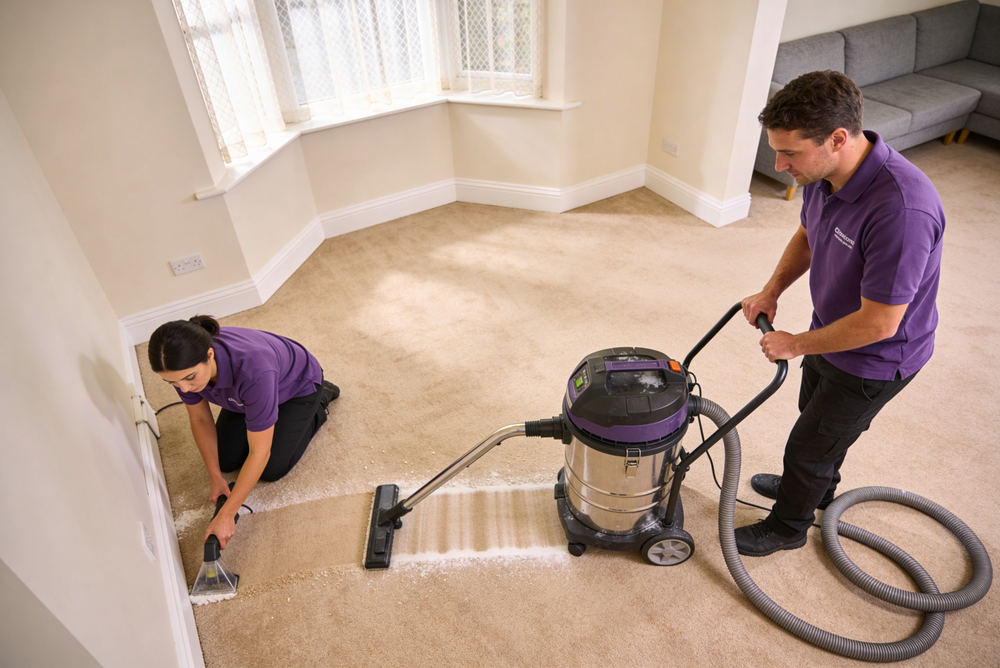
Moving out is stressful enough without worrying about losing money from your deposit. The good news? A bit of preparation goes a long way. This guide covers exactly what to focus on so you can hand back the keys with confidence.
What Landlords and Agents Actually Check
Understanding what gets inspected helps you focus your time where it matters most. Here's what most inventory clerks look at closely.
Kitchen The kitchen gets the most scrutiny. Expect them to check inside and outside all cupboards and drawers, the oven, hob, grill pan and extractor fan (these are checked very closely), the fridge and freezer (defrosted, cleaned and switched off unless told otherwise), sink and taps for limescale, worktops and splashbacks for grease, and that bins are emptied and cleaned.
Bathroom They'll look at the toilet (inside the bowl, behind the seat and around the base), shower screen, tiles and grout for mould and limescale, the bath and sink for residue, the extractor fan for dust, and any mirrors or cabinets.
Bedrooms and Living Areas Carpets should be vacuumed and stain-free. Skirting boards, light switches and door frames need wiping down. Windows (inside glass, sills and frames), curtains or blinds, light fittings and lampshades should all be dust-free. Walls will be checked for marks.
The spots most people miss Inside the oven is the number one area where deductions are made. Other commonly missed areas include behind and under appliances like fridges and washing machines, window tracks and frames where grime builds up over months, extractor fans in both kitchen and bathroom, tops of doors and wardrobes where dust accumulates, and any garden or outdoor space included in your tenancy.
Protect Yourself With Evidence
If a dispute comes up, whoever has the better evidence usually comes out on top. A few simple steps make a big difference.
Before you move out, take photos of every room after cleaning in good lighting. Get close-ups of problem areas like the oven interior, behind appliances and bathroom grout. Keep receipts if you hire a professional cleaning company. If possible, do a walkthrough with your landlord or agent before handing back keys.
Top tip: Use your phone camera with the date and time stamp switched on. Take wide shots of each room and close-ups of anything that could be disputed. Email copies to yourself so you have a timestamped backup.
Professional Cleaning vs Doing It Yourself
This is one of the biggest decisions you'll face. Here's how they compare:
Item | DIY Cleaning | Professional Clean |
|---|---|---|
Cost | £0 – £100 (supplies) | £150 – £450 |
Time | 6 – 12+ hours | 3 – 6 hours |
Deposit return rate | 40 – 50% | Around 90% |
Guarantee | None | Most offer a re-clean guarantee |
Oven & appliances | Often missed or insufficient | Deep cleaned to professional standard |
Evidence for disputes | Your word only | Receipt and company guarantee |
The numbers are worth paying attention to. Tenants who hire a professional end of tenancy cleaning service get their full deposit back around 90% of the time, compared to roughly 40–50% for those who clean themselves.
Your Move-Out Checklist
Use this in the final days before your move-out date:
Check your original inventory and compare it to the property's current condition
Book a professional end of tenancy clean (or set aside a full day for DIY)
Deep clean the oven, hob, extractor fan and grill pan
Defrost and clean the fridge and freezer
Remove all limescale from taps, shower screens and sinks
Clean inside all cupboards and drawers
Wipe skirting boards, light switches and door frames
Clean windows (inside), window tracks and sills
Vacuum and clean carpets (steam clean if your inventory says they were professionally cleaned)
Dust light fittings, tops of doors and tops of wardrobes
Clean behind and under all appliances
Tend to any garden or outdoor space included in your tenancy
Take date-stamped photos of every room after cleaning
Arrange a pre-checkout walkthrough with your landlord or agent if possible
Return all keys, fobs and parking permits
Take final meter readings and notify utility providers
Set up mail redirection with Royal Mail
The Bottom Line
Getting your full deposit back comes down to three things: leaving the property in the condition you found it, having the evidence to prove it, and not leaving the tricky spots until the last minute.
The oven alone accounts for more deductions than almost anything else. If you only do one thing, make sure it's spotless.
Author: Leo Vincent
2 January 2026
Still have questions?
You can send us message, call or chat live with an expert for personalised advice.